

The Ultimate Guide to Choosing the Right Swing Seats for Your Playground
Designing a playground isn’t just about filling space with equipment.
It’s about creating a safe, durable, and inclusive environment where kids want to play—and parents trust them to play.
One of the most loved (and most used) playground features? Swing seats.
But choosing the right swing seats isn’t as simple as picking what looks good. You need to balance safety standards, age groups, materials, durability, and long-term maintenance, especially in New Zealand’s outdoor conditions.
This guide breaks it all down—step by step—so you can make confident, practical decisions.
1. Start With Your Playground’s Real Needs
Before looking at product options, zoom out.
Ask the questions most playground projects skip:
- Who will primarily use the playground—toddlers, school-age children, or mixed ages?
- Is the playground for a school, council park, early learning centre, or community space?
- How much daily use will the swing seats handle?
- What’s your budget for long-term ownership, not just purchase?
Clear answers help you avoid over- or under-specifying equipment—and save money over time.
2. Safety Standards Come First (Always)
When it comes to playground equipment, safety isn’t optional—it’s the foundation.
In New Zealand, swing seats should align with internationally recognised standards such as ASTM and EN, while also meeting local council and school requirements.
Non-Negotiable Safety Features
- Non-toxic, child-safe materials
- Rounded edges and smooth finishes
- Reinforced attachment points
- Rust-resistant chains and fixings
- Correct spacing between swings
High-quality rubber swing seats naturally meet many of these requirements, making them a popular choice across NZ playgrounds.
3. Choose Swing Seats by Age Group
Different ages need different levels of support. Mixing this up is one of the most common (and costly) playground mistakes.
Toddlers (1–3 years)
Young children need maximum support and security.
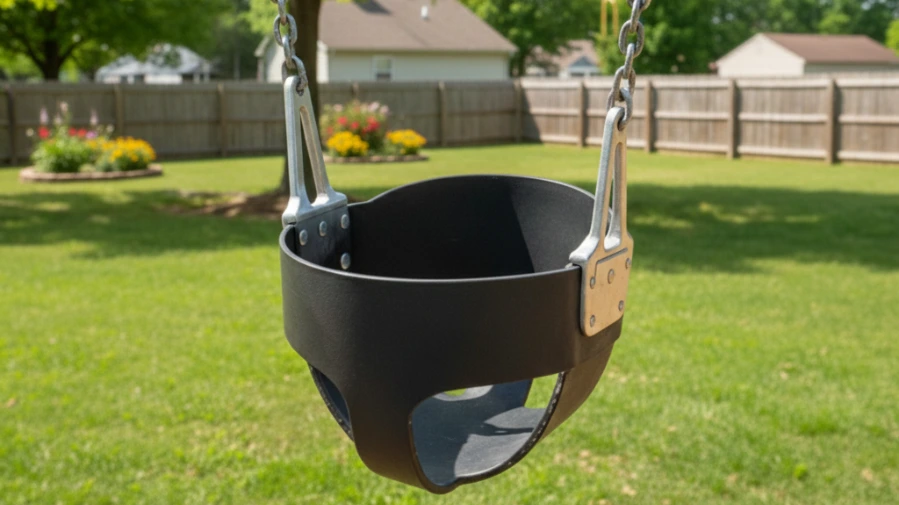
A Fully Enclosed Infant Swing Seat provides full body support, high backs, and leg openings—ideal for early learning centres and family parks.
👉 Learn more about Fully Enclosed Infant Swing Seat options
Young Children (4–7 years)
Kids in this range want independence—but still need stability.
Options like Toddler Swing Seats or half-bucket designs offer the perfect balance between freedom and safety.
👉 View Toddler Swing Seats
Older Children (8+ years)
Older kids need less support and more fun.
Classic Rubber Swing Seat designs are ideal here—durable, flexible, and built for high-energy use.
👉 Explore Rubber Swing Seat options
Inclusive & Adaptive Play
For inclusive playgrounds, consider seats that support children with additional needs.
A Strap Swing Seat offers extra stability while allowing assisted or supervised use—an excellent addition for councils and schools focused on accessibility.
👉 See Strap Swing Seat
4. Why Material Choice Matters (Especially in NZ)
New Zealand’s outdoor environments demand materials that handle UV exposure, rain, and temperature changes.
Common Materials Compared
- Plastic – Lightweight and colourful, but may degrade under strong UV
- Wood – Natural look, but requires frequent maintenance
- Metal – Strong, but can overheat in direct sun
- Rubber – Durable, slip-resistant, impact-absorbing, and weather-resistant
That’s why rubber swing seats are widely used in NZ playgrounds—they’re built for long-term outdoor performance.
5. Comfort & Ergonomics = Longer Play Time
Comfort isn’t just a “nice to have.”
Poor ergonomics lead to shorter play sessions and higher injury risk.
Look for:
- Flexible rubber that absorbs movement
- Smooth seat surfaces
- Ergonomic shaping that supports natural posture
Comfortable swing seats mean happier kids—and fewer complaints from parents.
6. Durability & Maintenance (Think Long-Term)
Swing seats are among the most heavily used playground items. Durability directly affects total cost of ownership.
What to Look For
- UV-stabilised rubber
- Galvanised or stainless-steel chains
- Reinforced connection points
Simple Maintenance Checklist
- Inspect chains and seats regularly
- Replace worn parts immediately
- Clean with mild soap and water
High-quality swing seats reduce downtime, repairs, and replacement costs.
7. Build Inclusivity Into Your Playground
Inclusive playgrounds aren’t a trend—they’re becoming the standard across New Zealand.
Adding adaptive swing seats:
- Encourages social interaction
- Supports children with physical challenges
- Increases community use and approval
Even one inclusive swing can significantly improve a playground’s accessibility.
8. Balance Budget Without Cutting Corners
Cheaper swing seats often cost more in the long run.
Smart budgeting tips:
- Buy durable seats once, not replacements every year
- Mix swing types for different age groups
- Choose suppliers with proven NZ experience
Quality playground equipment is an investment—not an expense.
9. Match Function With Visual Appeal
Playgrounds should be inviting.
Consider:
- Bright colours for visibility
- Neutral tones for natural settings
- Consistent design across all equipment
Rubber swing seats work well in both modern and traditional playground designs.
10. Installation Still Matters
Even the best swing seat fails if installed incorrectly.
- Maintain proper spacing
- Use certified installers where required
- Install impact-absorbing surfacing below swings
Correct installation protects users—and reduces liability.
Final Thoughts: Choose Smart, Play Longer
Choosing the right swing seats isn’t about trends or guesswork.
It’s about safety, durability, age-appropriateness, and inclusivity—especially in New Zealand’s outdoor conditions.
At Rubber Bits, we supply high-quality swing seats designed for long-term performance in schools, councils, and community playgrounds across NZ.