

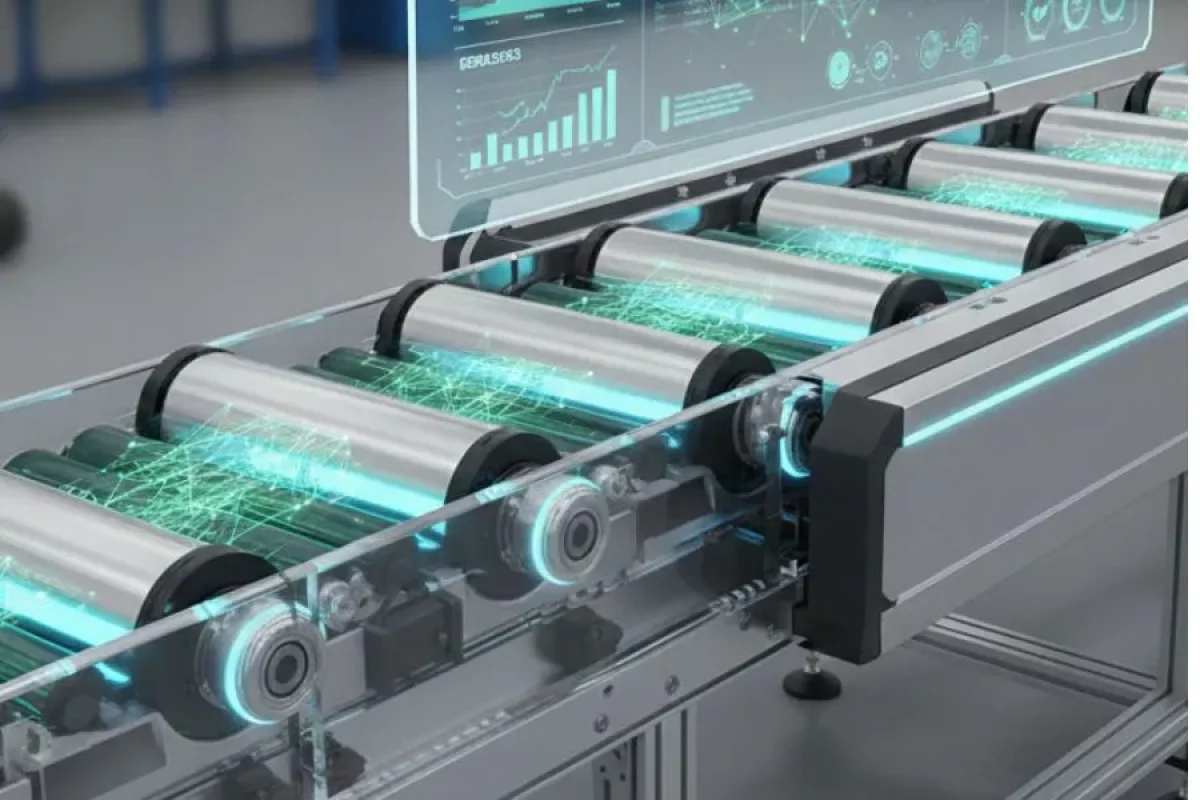
Emerging Trends in Conveyor Drive Technology for 2026
Most conveyor problems don’t start with the belt.
They start with the drive system behind it.
In 2026, conveyor drive technology isn’t just about moving products from A to B. It’s about efficiency, uptime, energy savings, hygiene, and scalability. And the businesses that understand these trends early are the ones reducing downtime while everyone else is still firefighting breakdowns.
Let’s break down what’s changing — and what you should be paying attention to.
1. Integrated Drives Are Replacing Traditional Setups
The days of bulky motors, gearboxes, chains, guards, and endless alignment issues are numbered.
Modern conveyor systems are moving toward integrated drive solutions — where the motor, gearbox, and drive components are combined into a single, compact unit.
Why this matters:
- Fewer moving parts = fewer failures
- Less installation time
- Reduced maintenance costs
- Cleaner, safer conveyor layouts
This shift is especially noticeable in roller conveyors, pallet handling systems, and compact conveyor lines, where space is limited and downtime is expensive.
In short: simpler systems win.
2. Energy Efficiency Is No Longer Optional
Rising energy costs aren’t a future problem — they’re a right now problem.
In 2026, conveyor drive selection is increasingly influenced by:
- Motor efficiency ratings
- Reduced power loss
- Smarter speed control
- Lower operating temperatures
Modern drive systems are designed to use only the energy they need, rather than running at full power all the time.
For high-volume warehouses and production facilities, even small efficiency gains can translate into significant annual savings.
Energy-efficient drives aren’t just good for sustainability reports — they’re good for the bottom line.
3. Smarter Drives, Better Control
Conveyor drives are no longer “on or off” components.
The latest systems are designed for:
- Precise speed control
- Smooth start/stop operation
- Load-dependent performance
- Integration with automation systems
This level of control reduces product damage, improves flow consistency, and allows conveyors to adapt to changing operational demands.
In automated environments, drive intelligence is becoming just as important as mechanical strength.
4. Compact Design Is Driving System Redesign
Space is expensive.
Downtime is even more expensive.
That’s why compact drive solutions are influencing how entire conveyor systems are designed.
Smaller drive footprints mean:
- Tighter conveyor layouts
- Easier retrofitting into existing facilities
- More flexibility for future expansion
Instead of designing around the drive, engineers can now design for performance first — and fit the drive in afterward.
This is a major shift in how conveyor systems are planned and deployed.
5. Hygiene & Sealed Drive Solutions Are Growing Fast
Industries like:
- Food processing
- Packaging
- Pharmaceuticals
- Clean manufacturing
are demanding sealed, low-maintenance drive systems.
Open chains, exposed gearboxes, and grease-heavy components are being phased out in favour of fully enclosed drives that are easier to clean and safer to operate.
In 2026, hygiene isn’t a niche requirement — it’s becoming standard practice across many sectors.
6. Reliability Is the New Competitive Advantage
Here’s the reality most operations managers know too well:
A conveyor that almost never fails is worth far more than one that’s cheaper upfront.
Modern conveyor drive technology focuses heavily on:
- Long service life
- Reduced wear points
- Minimal routine maintenance
- Stable performance under continuous operation
The goal isn’t just moving products — it’s keeping production running without interruptions.
Reliable drive systems are no longer a “nice to have.”
They’re a competitive advantage.
7. Modular Drive Systems Are Gaining Ground
Flexibility is everything in modern material handling.
As product lines change and facilities expand, conveyor systems need to adapt quickly — without complete redesigns.
Modular drive solutions allow:
- Faster system expansion
- Easier component replacement
- Simplified upgrades
This trend is particularly important for warehouses, logistics centres, and distribution hubs, where operational needs can shift rapidly.
What This Means for Conveyor Buyers in 2026
If you’re specifying or upgrading a conveyor system, the key questions are changing.
Instead of asking:
- “What’s the cheapest drive?”
You should be asking:
- How reliable is it long-term?
- How much maintenance will it need?
- How energy-efficient is it?
- Can it scale with my operation?
- Will it integrate with future automation?
The right conveyor drive today isn’t just about movement — it’s about future-proofing your operation.
Final Thoughts
Conveyor drive technology in 2026 is smarter, cleaner, more efficient, and far more integrated than ever before.
The companies that understand these trends early are:
- Reducing downtime
- Lowering energy costs
- Improving safety
- Simplifying maintenance
At Rubber Bits, we work closely with businesses across New Zealand to supply and support modern conveyor drive solutions that align with these evolving industry demands — whether it’s roller drives, pallet drives, or compact integrated systems.
Because when your drive system works better, everything downstream works better too.