

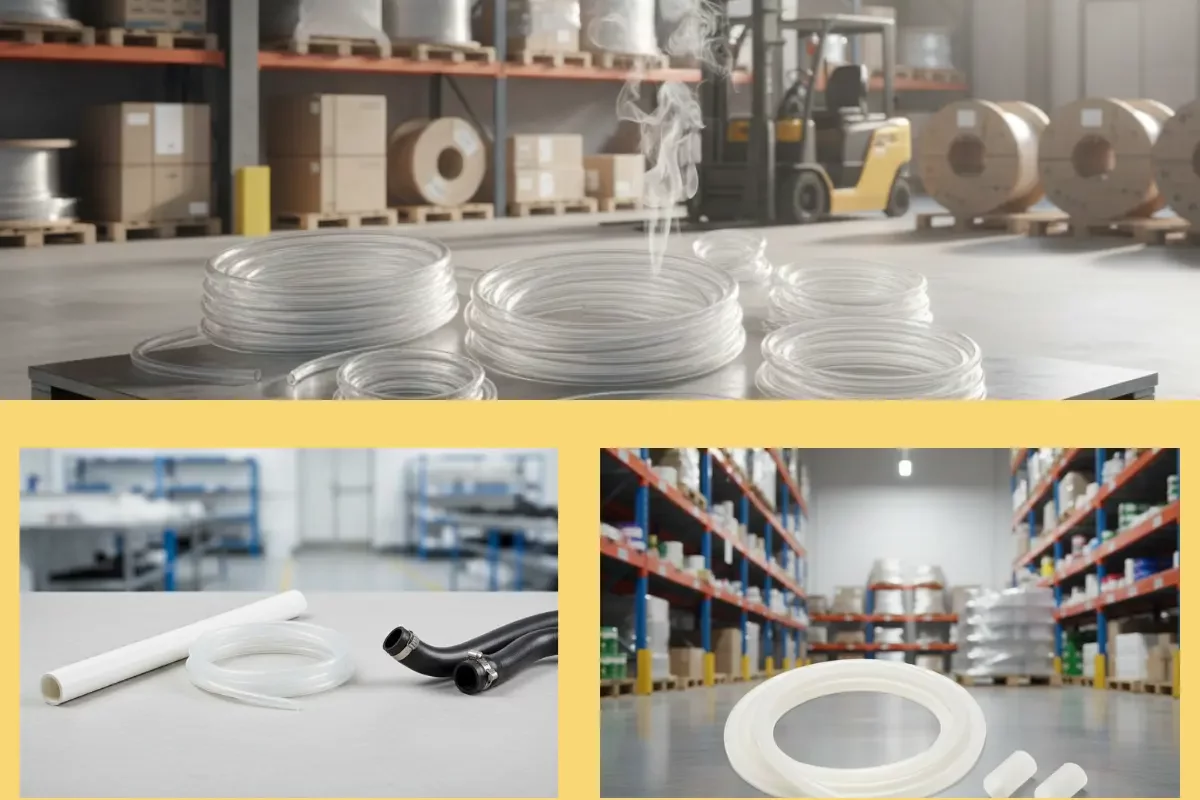
Top Mistakes to Avoid When Selecting Rubber Tubing
Choosing rubber tubing isn’t just a purchasing decision—it’s a performance decision.
The wrong rubber tube can increase maintenance costs, cause system failures, and interrupt operations. And in most cases, these problems don’t come from poor products—but from poor selection.
Let’s break down the most common mistakes businesses make when selecting rubber tubing, and how to avoid them.
1. Not Defining the Application Clearly
This is the #1 mistake.
Many buyers select rubber tubing based on size alone, without considering:
- Temperature range
- Pressure or vacuum conditions
- Type of media (air, oil, chemicals, food)
- Indoor vs outdoor exposure
For example:
- Automotive hoses must withstand heat, pressure, and vibration
- Non-toxic tubing must meet strict hygiene and safety requirements
👉 If you don’t define the environment, the tubing will fail—sooner or later.
2. Choosing the Wrong Material
All rubber tubing is not created equal.
Common errors include:
- Using standard rubber instead of silicone tubing for high temperatures
- Using non-certified rubber in food or medical applications
- Choosing flexibility over strength when reinforcement is required
Each material—EPDM, NBR, silicone, food-grade compounds—has a specific purpose.
At Rubber Bits & Industrial Conveyors, most tubing failures we see come down to material mismatch, not manufacturing defects.
3. Making Price the Deciding Factor
Low-cost rubber tubing often looks good on paper—but performs poorly in real conditions.
Hidden costs include:
- Frequent replacements
- Downtime and labor
- Leakage or contamination risks
High-quality tubing lasts longer, performs consistently, and reduces total cost of ownership.
📉 Cheap tubing costs more over time.
4. Getting the Size Wrong
Incorrect inner diameter, outer diameter, or wall thickness can cause:
- Reduced flow
- Hose collapse
- Poor sealing
- Premature wear
This mistake is especially common in automotive and industrial fluid systems.
Precision matters—and so does expert guidance.
5. Ignoring Compliance & Safety Standards
In food processing, medical, and hygiene-critical industries, compliance isn’t optional.
Mistakes include:
- Using non-food-grade tubing
- Ignoring toxicity or odor transfer
- Skipping documentation and traceability
Non-toxic tubing must meet specific safety standards to protect both systems and end users.
6. Forgetting About Long-Term Performance
Rubber tubing ages. Heat, chemicals, and time all take a toll.
Failing to consider:
- Maintenance cycles
- Replacement intervals
- Environmental aging
…leads to unexpected failures.
The best tubing is the one that performs reliably over its entire service life.
Why Supplier Expertise Matters
Most rubber tubing problems are preventable—with the right advice upfront.
Rubber Bits & Industrial Conveyors supports customers with:
- Application-based tubing selection
- Non-toxic, silicone, and automotive rubber tubing
- Consistent quality and technical guidance
Our focus isn’t just selling tubing—it’s helping customers avoid costly mistakes.
Final Takeaway
If rubber tubing is critical to your operation, selection should never be guesswork.
The right tubing improves reliability, safety, and efficiency—while the wrong choice guarantees downtime.